
Live & Settle
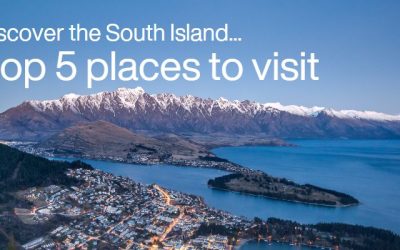
Discover the South Island, and Top 5 Places to Visit
The South Island of New Zealand boasts the ideal environment for work-life balance. With its laid-back lifestyle, breathtaking landscapes, and ample recreational opportunities, the Island is suited to those who are looking for a slower pace of life and easy access to...
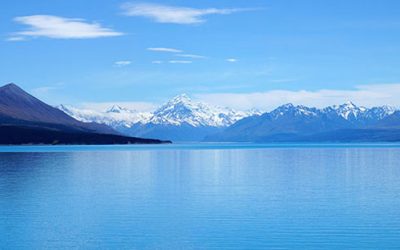
Emigrating to New Zealand: 11 important things to do before you leave
It’s never too soon to begin planning your move to New Zealand. From changing your address to booking the removal company, there’s a lot to consider. The following checklist will help you make sure you’ve covered off the essentials when preparing to emigrate: 1. Sort...
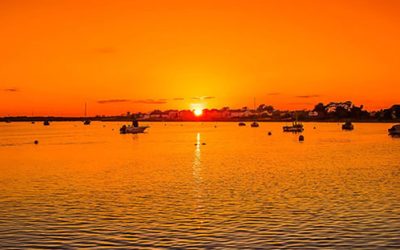
New Zealand’s Most Popular expat cities
Have your heart set on New Zealand, but unsure which city would suit you best? Read on to get a flavour of each destination to help you decide which city is right for you. Nelson With the greatest number of sunshine hours in New Zealand, Nelson is a paradise for...
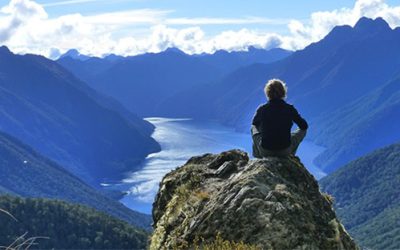
Moving to New Zealand: The Paperwork
When planning your move to New Zealand, customs will require you to have certain paperwork in order before you can emigrate. Here are the main documents to prepare for your move: A valid passport Check the date on your passport; if it is due to expire within six...

Universities in New Zealand
New Zealand’s universities are recognised for their excellence both in teaching and research. All of these institutions welcome international students. University of Otago (Main campus in Dunedin, with additional campuses in Christchurch, Wellington, Auckland,...

Primary and Intermediate Schools in New Zealand
Most kids in New Zealand start school soon after their 5th birthday. But it’s not actually compulsory until the age of 6. Students start either at year one or year zero. If their first day at school is between January and about April, they usually start in year one....

Early Childhood Education in New Zealand
The United Nations ranks New Zealand as the 7th best school-educated country in the world, just behind Germany and ahead of Canada. Pre-schools in New Zealand Young children in New Zealand are not required to attend any type of formal early childhood service; however,...

Schools in New Zealand: 10 facts
The United Nations ranks New Zealand as the 7th best school-educated country in the world, just behind Germany and ahead of Canada. New Zealand schools are mostly quite good. The United Nations ranks New Zealand as the 7th best school-educated country in the world,...
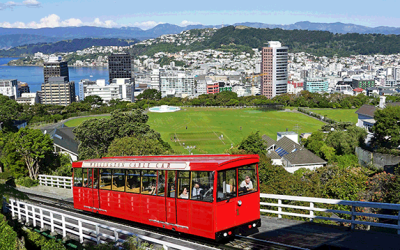
Public transport
Transport infrastructure is a bit of a hot topic in recent years. In Auckland – especially – there has been a large amount of civic investment developing bus, rail and ferry routes. Combined with new cycling lanes and various new motorways in various parts of the...
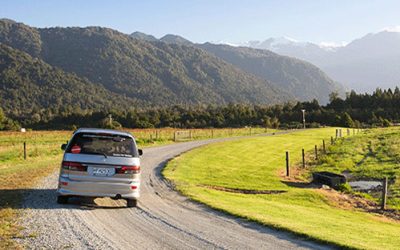
Driving in New Zealand
On New Zealand roads, left is right and right is wrong. There are a few other idiosyncrasies which we’ve outlined below. But if you just remember this one thing, you’ll be saving lives, every day: keep left! Here are some other pointers. What’s different about driving...
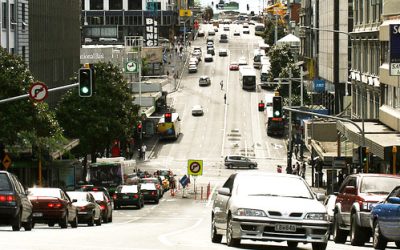
Buying a car in New Zealand
New Zealand has a lot of second-hand cars. Since import rules changed in the 1980s, there has been a surge in the number of used cars imported from Japan (and other places), hence the phrase: “Jap import”. The imports themselves are not that old, but they tend to stay...

Applying for a New Zealand driver licence
If you're planning on driving in New Zealand you will need to know a few rules, we give you the lowdown on what you need to do to stay safe. Applying for a New Zealand driver licence In addition to people with a current, valid New Zealand driver’s licence, anyone can...

Get Culture
A scoundrel once said, “it’s a great place for bungee jumping, but take a good book.” Well, that was then, this is now, things have changed. New Zealand has become an important cultural destination in its own right. With world-class performance venues, an abundance of...

Rental prices in New Zealand
Want a better feel for the cost of renting a home in New Zealand? Here’s a breakdown of the median weekly rental prices in some of our most popular regions, as of April 2021. Find out more about renting in New Zealand here. As at April 2021 Location1 Bd Apt3 Bdr...

House prices in New Zealand
From urban apartments in the hearts of vibrant cities to peaceful retreats in the great, green outdoors of Aotearoa, there’s something for every home-hunter within New Zealand’s housing market. To get an idea of the kind of investment you’ll need to make, here’s a...
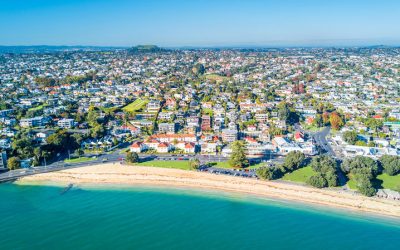
Renting in New Zealand
Whether you’re looking to jump around a buzzing big city, or settle in Aotearoa’s renowned outdoors, there are plenty of regions that offer a whole spectrum of living styles to suit your taste. It can be tricky to know where to start, so below is a quick breakdown of...

Buying a home in New Zealand
It’s no secret New Zealand is one of the most desirable places to live and settle. When it comes to finding a new home, the choices are plentiful, the paperwork is easy and the investment potential is strong. Whatever part of the country you choose, our houses reflect...

10 surprising things about New Zealand houses
Here’s a run-down on what you can expect to find when you’re looking at houses in New Zealand Typical New Zealand homes are single story and detached. But recent population growth has seen big increases in apartments and semi-detached “townhouses”. New Zealand is...
Your new life begins here. We’re experts in jobs, visas and relocation