The New Zealand healthcare system
New Zealand has a quality public healthcare system, funded largely through general taxation. Most treatment in public hospitals is free, and many other health services and medicines are significantly subsidised.
Am I eligible for publicly funded healthcare?
All permanent residents are eligible for public healthcare. People with a work permit valid for a minimum of two years at time of issue are also eligible. Eligibility also entitles your partner and any children aged 19 years and under to public healthcare services.
Which health services are covered by New Zealand's public health system?
The following are some of the benefits of New Zealand public health system:
- Free public hospital treatment, including 24-hour accident and emergency (A&E) clinics.
- Most laboratory tests and X-rays, unless made at a privately run clinic
- Healthcare during pregnancy and childbirth, including hospital stays and pre- and postnatal care
- Subsidised prescription medicines
- Free specialist care when referred by a general practitioner (GP)
- Free child immunisations
- Free prescription medicine for children under six and subsidised visits to the doctor
- Free basic dental treatment for school children
- Free breast screening for women aged 45 to 69.
Doctor's visits
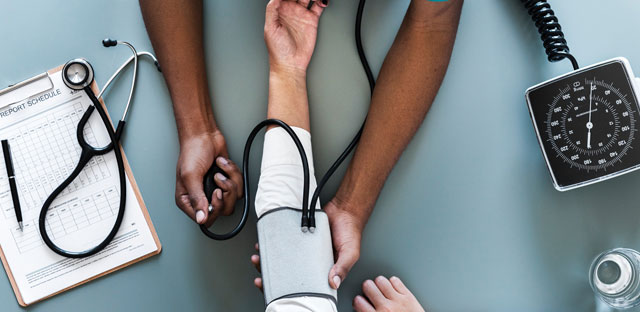
A visit to the doctor will cost around $45 – $60 during the week, with an additional fee of $10 – $15 outside of normal working hours. Children under six are often free and fees for children between the ages of 6 and 17 are subsidised. You can usually see the doctor on the same day you make an appointment. Emergency care in a hospital is generally free, as are public hospital treatments following referral from a GP.
Specialist services and non-urgent surgery are free when you are referred by a GP. Waiting times for specialist care vary from hospital to hospital.
What if I have an accident?
If you have an accident you are entitled to free hospital care. The Accident Compensation Corporation (ACC) helps to cover the cost of out-of-hospital care for accident-related injuries.
If your injury affects your ability to work, ACC will provide compensation based on your income. It can also assist with recovery-related costs such as training and transport, residential nursing care, home help and childcare.
What about private healthcare?
Many New Zealanders purchase private health insurance in order to receive care in private hospitals and to avoid waiting lists for the treatment of non-urgent medical conditions. People with private health insurance are still eligible for free public health benefits.
For more information about New Zealand health services, see Immigration New Zealand’s health settlement pack.
Is dental care covered by the public health system?
In New Zealand, general dental care for people over 18 years of age is not subsidised by the government. Instead you can select the dentist of your choice and receive treatment as a private patient. Basic dental care for school children is free up to age 18 and routine dental checks are offered to all school children. Emergency dental care is subsidised by the government for low-income residents.
Assessing the cost
Prices for dental work vary depending on the condition of your teeth, the dentist you visit and the region in which you live. Below is a rough guide to average costs relating to dental work:
- Routine check-up, X-ray and cleaning – $75 - $110
- Small filling – $100 - $200
- Tooth extraction – $150 - $300
- Porcelain inlays – $800 - $1100
- Capping (per site) – $1100 - $1500
- Implants (per site) – $5500
- Visit to a dental hygienist – $100-$175
For a comprehensive list of dentists in your area visit the Dental Council of New Zealand or Yellow.